
Harness the power of Reiki to combat modern stress. Learn how this ancient practice promotes relaxation and helps you maintain emotional equilibrium.

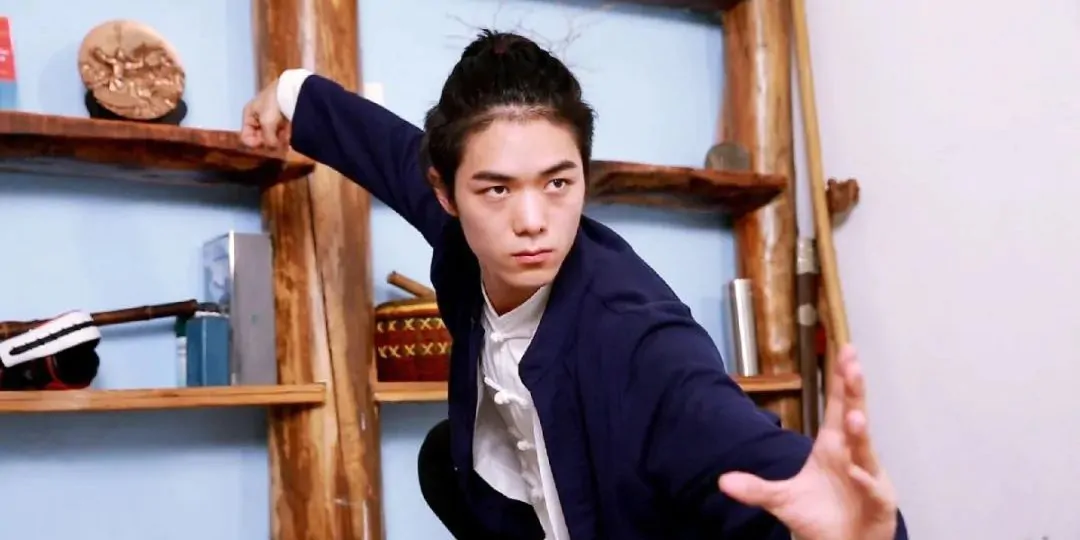
Tai Chi, as the crystallization of the wisdom of the Chinese nation, has a development process like a gurgling stream, which has lasted for hundreds of years and has made profound contributions to society with its unique charm.
Long history: the origin and development of Tai Chi
There are many different opinions about the origin of Tai Chi, but it is generally believed that it was in the late Ming and early Qing dynasties that Chen Wangting of Chenjiagou inherited and developed traditional guiding breathing, martial arts routines and traditional Chinese medicine theory, and integrated the theory of yin and yang and five elements, gradually forming the original Tai Chi. This new boxing is no longer just a simple fighting skill, but also emphasizes the cultivation of internal strength and the effect of health preservation.
In the middle and late Qing Dynasty, Tai Chi gradually went out of Chenjiagou and spread to society. Yang Luchan brought Chenjiagou Tai Chi to Beijing and founded Yang Style Tai Chi on this basis. Its characteristics are stretching and generous movements, neutral and peaceful, which is more suitable for the public to learn. Since then, Wu Jianquan, Sun Lutang, Wu Yuxiang and others have also developed different styles of Tai Chi, such as Wu style, Sun style, and Wu style, in their respective practices according to their own characteristics and understanding, forming the “five major schools”, making the Tai Chi system richer and more complete. Although these schools differ in moves and styles, they all uphold the core principles of Tai Chi – using softness to overcome hardness, combining movement and stillness, and cultivating both inside and outside.
Entering the 20th century, the development of Tai Chi ushered in new opportunities. With the society’s emphasis on national fitness and traditional culture, Tai Chi has been given higher social value. On the basis of traditional Tai Chi, the State Sports General Administration has sorted out and promoted simplified Tai Chi (24-style Tai Chi), which greatly reduced the learning threshold and enabled it to be rapidly popularized throughout the country and even the world.
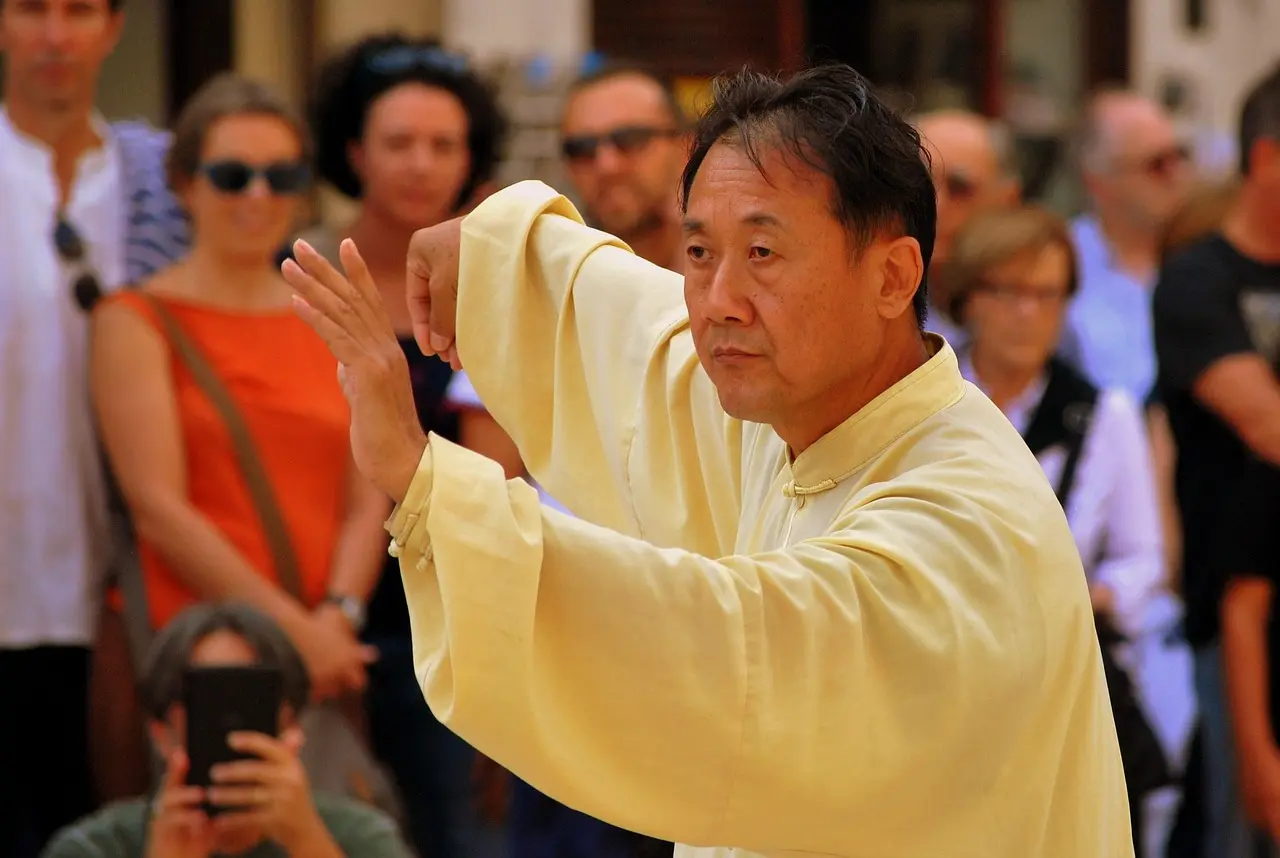
- Improves balance and coordination
- Reduces stress and promotes relaxation
- Enhances flexibility and muscle strength
- Boosts cardiovascular health
Social Contribution: Messenger of Physical and Mental Health and Cultural Communication
Tai Chi’s contribution to society is multifaceted. It is not only an effective way to strengthen the body, but also an outstanding representative of Chinese culture.
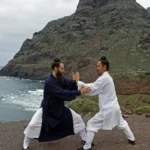
First of all, in terms of national health, Tai Chi’s contribution is obvious to all. It is a whole-body exercise that combines breathing, intention and movement. It can effectively improve cardiovascular function, improve body flexibility and balance, enhance muscle strength, and has a significant effect on relieving chronic diseases and improving sleep quality. For the sub-health status that is prevalent in modern society, Tai Chi provides a gentle and effective conditioning method to help people achieve physical and mental harmony and improve the quality of life. Especially for the elderly, Tai Chi has become one of the preferred sports for maintaining health with its safety and low intensity.
Secondly, the role of Tai Chi in mental health cannot be ignored. Tai Chi emphasizes “guiding the form with intention” and “cultivating both inside and outside”. The practice process requires a high degree of mental concentration, which helps to cultivate the practitioner’s concentration, patience and perseverance. Through the regulation of breathing and the smoothness of movements, practitioners can effectively relieve stress, calm emotions, and achieve a state of physical and mental relaxation. In the fast-paced modern life, Tai Chi provides a way for people to return to their inner selves and seek tranquility.
Furthermore, Tai Chi is an important carrier for Chinese culture to go global. With the deepening of globalization, Tai Chi has attracted countless foreign friends to learn and experience it with its unique oriental philosophical charm. It is not just a sport, but also contains the philosophical ideas of yin and yang balance, unity of man and nature, and the national spirit of self-improvement and harmonious coexistence. Through the spread of Tai Chi, the excellent traditional Chinese culture has been widely spread around the world, enhancing the understanding and communication between different civilizations. Many countries have Tai Chi societies or clubs, and Tai Chi has become a cultural bond connecting people around the world.
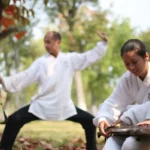
In addition, Tai Chi also promotes social harmony and interpersonal communication. In parks, squares, and communities, people can be seen practicing Tai Chi collectively everywhere, which not only provides people with a place to exercise, but also builds a platform for communication and exchange, enhancing community cohesion.
Balanced Body, Calm Mind
Our Tai Chi course has empowered hundreds to enhance balance, flexibility, and inner peace through mindful movement and traditional practice.
The development process of Tai Chi is precisely the process of its continuous adaptation to social needs and enriching its own connotation.
From the initial martial arts to the current comprehensive activities that integrate health preservation, fitness, self-cultivation, and culture, Tai Chi has become a valuable cultural heritage of the Chinese nation with its unique and far-reaching social contributions, and will continue to play an important role in human health and well-being.
Which aspect of Tai Chi are you most interested in?
Get in Touch with Us
We’d love to hear from you—share your thoughts or ask a question!